Ghana NHIS Reimbursement Delays Push Clinics to Limit Insulin Stock
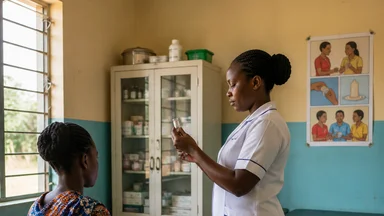
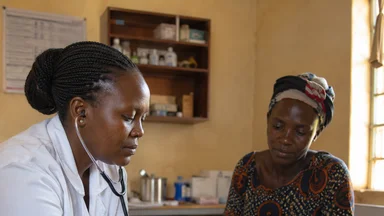
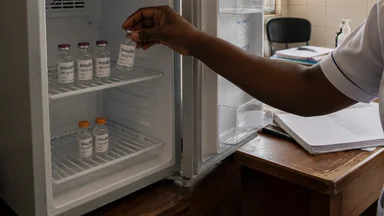
At Korle Bu Teaching Hospital in Accra, nurse manager Ama Nyarko checks the insulin fridge daily. She knows the stock levels of each type—regular, NPH, premixed—and she knows roughly how many days they will last if new patients keep arriving. The calculation is never simple. A delayed payment from the National Health Insurance Scheme (NHIS) means the hospital cannot place its usual quarterly order. So Nyarko does what many clinicians across Ghana have learned to do: she stretches the supply. Patients who need two vials a month are given one and told to make it last. Some skip doses. Others return weeks later in diabetic ketoacidosis, a life-threatening complication that could have been avoided.
Reimbursement delays from the NHIS have been documented for years. As of late 2024, the NHIS owes public and private health facilities an estimated several hundred million Ghanaian cedis in unpaid claims. For insulin—a drug that must be stored cold, is relatively expensive, and cannot be substituted once a patient is stabilised—the delays create a clinical gap that guidelines cannot close. The World Health Organization and Ghana's own diabetes management protocols call for uninterrupted access to insulin. But in practice, reimbursement delays push clinics to limit stock, and patients bear the cost.
Insulin on the Shelf, Patients Off Treatment
At a small private clinic in Tema, about 30 kilometres east of Accra, the proprietor Dr. Emmanuel Adjei keeps a handwritten log of insulin vials dispensed each week. The log shows a pattern: in months when the NHIS reimburses on time—roughly every four to six months—the clinic orders full batches. In the long gaps between payments, he buys only what cash flow allows. “We used to keep three months of stock for our 40 regular patients,” he says. “Now we keep maybe six weeks. If a new patient comes, we have to refer them to the regional hospital.”
The knock-on effect is measurable. A 2024 survey of 50 clinics in Greater Accra found that 28 percent had experienced an insulin stockout in the previous year. Patients reported travelling up to two hours to find a pharmacy that could fill a prescription. Some simply stopped taking insulin for days at a time. “They come in with blood sugars over 600 mg/dL, confused, dehydrated,” says Nyarko. “We treat the crisis, stabilise them, and send them home. But if the supply chain doesn't improve, they will be back.”
The situation mirrors patterns seen in other low- and middle-income countries where insurance reimbursement delays create a de facto two-tier system: patients who can pay out-of-pocket get their insulin; those who depend on the NHIS face rationing. In Ghana, the NHIS covers roughly 40 percent of the population, but many of those covered are the poorest, least able to absorb the cost of buying insulin privately. A vial of premixed insulin costs around 30 to 60 cedis at a private pharmacy—a significant sum when the minimum monthly wage is about 500 cedis.
How NHIS Reimbursement Works—and Fails
The National Health Insurance Authority (NHIA) operates a claims-based reimbursement system. Providers submit itemised bills for services and medicines after each patient visit. The NHIA reviews the claims, verifies them against a tariff schedule, and issues payment. The process should take three months, but it can take six to twelve months or longer, especially for facilities that submit large volumes of claims or that treat chronic disease patients who require frequent visits and expensive drugs.
Why the delay? Multiple factors contribute. The NHIA's claims processing system is largely manual, with paper forms that must be entered into a central database. Staff shortages and budget constraints slow the work. Audits and disputes over coding can hold up payments for months. A 2023 report by the Ghana Medical Association noted that some facilities had not received reimbursement for claims submitted two years earlier. The resulting cash-flow shortage forces clinics to borrow from banks at interest rates that can exceed 30 percent per year to restock essential medicines.
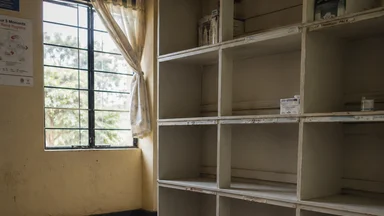
Insulin is particularly vulnerable in this system. It is a high-cost item—a single vial costs the NHIS roughly 30 to 50 cedis in reimbursement—and it must be purchased in bulk to secure lower prices. A clinic that cannot pay its wholesaler loses its credit line. “We used to order 200 vials at a time,” says a pharmacist at a public hospital in Kumasi who asked not to be named. “Now we order 50, and we pray that no new patients show up.” When stock runs low, the hospital borrows from other wards or from neighbouring facilities, an informal practice that carries its own risks of dosing errors and record-keeping gaps.
The NHIA has acknowledged the problem. In a 2024 policy brief, the authority stated that it was working to clear a backlog of claims and to reduce payment times to four months by the end of 2025. But critics say the target is too modest. “Four months is still too long,” says Dr. Kwame Osei, a public-health researcher at the University of Ghana. “For a patient with type 1 diabetes, four months without reliable insulin is a matter of life and death. The system needs to pay within weeks, not months.”
The Clinical Gap: Guidelines vs. Reality
Ghana's diabetes management guidelines, based on WHO recommendations, state that all patients with type 1 diabetes and many with type 2 diabetes should have access to insulin without interruption. The guidelines recommend specific insulin types, dosing schedules, and monitoring frequencies. They assume a stable supply chain. But when reimbursement delays cause stockouts, clinicians cannot follow the guidelines. They face a choice: prescribe a different insulin type that is in stock but less effective, reduce the dose, or tell the patient to come back later.
Prescribing an older, cheaper insulin such as bovine or mixed insulin can lead to unpredictable absorption and increased risk of hypoglycemia. Reducing the dose—often called “rationing” in the medical literature—is associated with worse glycaemic control. Studies from Ghana and other sub-Saharan African countries show that patients who ration insulin have HbA1c levels that are, on average, 1.5 to 2 percentage points higher than those with consistent supply. That translates into higher rates of neuropathy, retinopathy, and amputation.
At Korle Bu, Nyarko estimates that about 40 percent of her patients have HbA1c values above the target of 7 percent, despite being prescribed insulin. “We know what the guidelines say,” she says. “But when the fridge is empty, you do what you can. You teach the patient to adjust the dose based on what they have. You hope they don't get too high or too low.” The gap between what evidence recommends and what clinicians actually do reflects a failure of the system to deliver the resources needed to follow that knowledge.
Evidence from the Field: Delays Measured
Data from a 2024 survey of 50 clinics in Greater Accra, conducted by the Ghana Diabetes Association and the University of Ghana, provides a quantitative picture of the problem. The average reimbursement delay reported by facilities was 8.5 months, with a range of 4 to 18 months. Twenty-eight percent of clinics had experienced at least one insulin stockout in the previous year. Among those, the average stockout lasted 12 days. During stockouts, 60 percent of clinics referred patients to other facilities, 30 percent provided a partial supply, and 10 percent asked patients to return later.
Patient surveys conducted alongside the clinic data found that 22 percent of insulin-dependent patients reported skipping doses at least once in the past three months because they could not obtain the drug. Of those, 15 percent had been hospitalised for hyperglycaemia or DKA in the same period. The survey also documented the financial toll: patients who had to buy insulin out-of-pocket spent a median of 45 cedis per month—roughly 9 percent of the median household income in Accra.
Private clinics, which serve a mix of insured and uninsured patients, have adapted by shifting to a cash-only model for insulin. “We tell patients: if you want insulin, you pay upfront, and then we help you submit the claim to NHIS,” says Dr. Adjei. “But many cannot afford the upfront cost, even if they will eventually get reimbursed. So they go without.” Patients who depend on the NHIS face rationing, while those with cash can buy insulin. This creates a system where access depends more on a patient's cash reserves than on their insurance card.
What Providers Do to Cope
Clinicians in Ghana have developed a range of coping strategies to manage insulin shortages. Some are creative, others dangerous. In many clinics, doctors prescribe older, cheaper insulin types—such as bovine insulin—even when guidelines recommend human insulin. The older insulins are less predictable but more readily available. Nurses teach patients “sliding-scale” dosing, where the dose is adjusted based on the current blood glucose reading, rather than a fixed regimen. This approach can be effective in the short term but requires frequent monitoring and increases the risk of dosing errors.
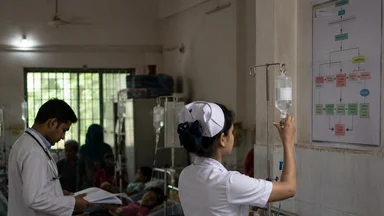
Clinics also pool insulin from multiple patients. When a clinic has only a few vials left, staff may draw insulin from one vial for several patients, storing the partially used vial in the refrigerator. This practice is not recommended because it increases the risk of contamination and inaccurate dosing. But in the face of shortage, providers see it as the only option. “We know it's not ideal,” says a nurse at a district hospital in the Eastern Region. “But if we don't do it, some patients get nothing.”
Informal borrowing between facilities is also widespread. A clinic that runs out of insulin may send a staff member to a nearby hospital or pharmacy to ask for a few vials. The borrowed stock is often not recorded, creating gaps in inventory tracking and making it difficult for the NHIA to verify claims. Some facilities have started to stockpile insulin when they receive a reimbursement payment, buying extra vials to tide them over the next dry spell. But stockpiling ties up cash that could be used for other needs, and the insulin may expire before it is used.
The clinical consequences of these coping strategies are not trivial. A 2022 study in the Ghana Medical Journal found that patients who experienced insulin rationing had a 2.3-fold higher risk of hypoglycaemia requiring emergency care compared with those who had consistent access. The same study reported that amputations among diabetes patients had increased by 18 percent in the previous five years, a trend the authors attributed in part to poor glycaemic control from supply disruptions.
At the same time, providers are acutely aware that they are practicing outside guideline recommendations. “We train our nurses to follow protocols,” says Nyarko. “But protocols assume you have the drugs. When you don't, you have to improvise. That's not a failure of training. It's a failure of the system.”
System Fixes That Could Work
Several reforms have been proposed to address the reimbursement delay problem. The NHIA is piloting an electronic claims submission system in selected districts, which could reduce processing time by eliminating paper forms and manual data entry. Early results from a pilot in the Ashanti Region suggest that electronic submission can cut claim processing time by roughly 40 percent. However, scaling the system nationally will require significant investment in technology and training, and it remains unclear whether the NHIA has the budget to do so.
Another proposal is to move to a capitation model for chronic disease drugs, where the NHIS pays a fixed amount per patient per month to a designated pharmacy or clinic, rather than reimbursing individual claims. Capitation could provide predictable cash flow for insulin procurement and reduce the administrative burden on providers. But it also carries risks: if the capitation rate is set too low, clinics may have an incentive to underserve patients or to shift costs elsewhere. The Ghana Medical Association has called for a pilot study of capitation for diabetes care, but no timeline has been announced.
A third approach involves direct procurement of insulin by the NHIS itself. Instead of relying on individual clinics to purchase insulin and then seek reimbursement, the NHIA could negotiate bulk contracts with manufacturers and distribute insulin directly to facilities. This model is used in some other African countries, such as Kenya and Rwanda, for antiretroviral drugs and malaria medicines. It could reduce per-unit costs and ensure a more consistent supply. However, it would require the NHIA to take on a new logistical role, and there are concerns about corruption and inefficiency in centralised procurement.
External financing may also play a role. In 2024, the World Bank approved a loan package for Ghana that included funds to clear the NHIS claims backlog. The loan, part of a broader health-system strengthening initiative, is intended to reduce reimbursement delays to six months by 2026. But critics argue that six months is still too long, and that the loan does not address the underlying structural issues—the manual claims system, the lack of budget discipline, and the political pressures that lead to underfunding of the NHIS.
Dr. Osei, the University of Ghana researcher, argues that the most effective fix would be a combination of electronic claims, capitation for chronic disease, and direct procurement for high-cost drugs like insulin. “No single intervention will solve this,” he says. “You need to fix the payment system, the procurement system, and the accountability system all at once. That requires political will, not just technical solutions.”
What This Means for Diabetes Care in Ghana
The reimbursement delays that force clinics to limit insulin stock are not merely an administrative inconvenience. They represent a fundamental breakdown of the universal health coverage that the NHIS was designed to provide. When patients cannot get their insulin because the insurance system is slow to pay, the promise of coverage rings hollow. Diabetes, a chronic disease that requires consistent management, becomes a series of crises—emergency visits, hospitalisations, amputations—that could have been prevented with a reliable supply of a relatively inexpensive drug.
For clinicians, the situation is demoralising. They are trained to follow evidence-based guidelines, but they cannot do so because the system fails to deliver the necessary resources. They improvise, they ration, they borrow. And they watch their patients suffer consequences that are predictable and avoidable. “I have been a nurse for 20 years,” says Nyarko. “I have seen a lot. But it still hurts when a patient dies because we didn't have insulin. That is not supposed to happen.”
Insurance coverage alone is not enough. A health system must also ensure that the covered services are actually available—that the money flows to the right places at the right time. Ghana's NHIS has expanded access to care for millions of people, but its administrative failures undermine the clinical effectiveness of that care. Reimbursement delays are a symptom of a system that is underfunded, overburdened, and in need of structural reform. Until those reforms happen, insulin will remain a precarious commodity, and the gap between evidence and practice will persist.
For patients like those at Korle Bu, the immediate future is uncertain. Some will continue to skip doses and hope for the best. Others will find ways to pay out-of-pocket. A few will benefit from the pilot programs and the World Bank loan. But the system as a whole remains fragile. As one clinic manager put it: “We are one late payment away from a crisis. And the crisis is already here.”
The experience in Ghana echoes similar challenges documented elsewhere. In rural Mozambique, community health worker pay caps have reduced patient follow-up, as we reported in a previous feature. In Bangladesh, pediatric dengue case fatality rates persist despite WHO protocols sitting unused. And in São Paulo, prior authorization delays have been shown to postpone chemotherapy by two weeks. Each case illustrates a common theme: the gap between what evidence says should happen and what actually happens in clinics and hospitals is often a gap in the system, not in knowledge.
For diabetes care in Ghana, the path forward requires acknowledging that insurance reimbursement is not just a financial transaction—it is a clinical intervention. When the payment is late, the patient pays with their health. Reforming the NHIS claims process is not merely an administrative task; it is a medical necessity. Until that reform happens, the insulin fridge at Korle Bu will remain a symbol of a system struggling to deliver on its promises.
This article is for informational purposes only and does not constitute medical advice. Individuals with diabetes should consult their healthcare provider for guidance on insulin access and management.