Rural Kenyan TB Patients Wait Six Weeks for GeneXpert Results
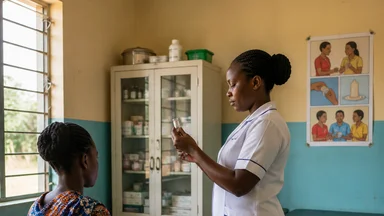
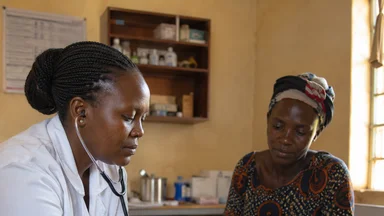
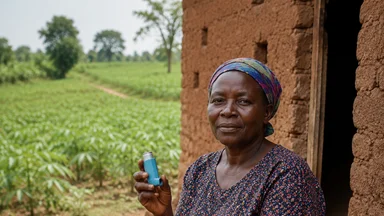
Mary Achieng, a 34-year-old mother of three in Siaya County, western Kenya, started wheezing in early 2024. For weeks she dismissed it as a passing cold, but the tightness in her chest worsened. By the time she walked to the local health centre, she was breathless after a few steps. The nurse listened to her lungs, noted a prolonged expiratory phase, and gave her a salbutamol inhaler from a box of donated samples. But no one told her what she actually had. The health centre lacked spirometry, the gold-standard test for asthma. Instead, her sputum was sent to the GeneXpert laboratory in Kisumu, 60 kilometres away, to rule out tuberculosis. The result took six weeks to come back: negative. By then, Mary had already suffered three exacerbations, each time borrowing an inhaler from a neighbour. She is one of an estimated 2 million Kenyans with asthma, roughly half of whom remain undiagnosed, according to the World Health Organization.
A Breath Taken Away in Rural Kenya
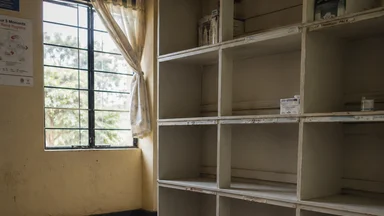
Mary's story is not unusual in Siaya County, where tuberculosis is the default diagnosis for any chronic cough. The health centre she visited serves a population of roughly 30,000 people. It has one nurse trained in chronic disease management and no spirometer. When Mary first arrived, her peak expiratory flow was not measured—the device was broken and had not been replaced. The nurse relied on symptoms: wheezing, chest tightness, and a history of similar episodes during the rainy season. But without objective lung function testing, asthma could not be confirmed, and the clinical officer was reluctant to label it as such.
The six-week wait for the GeneXpert result was not simply a matter of distance. Sputum samples are collected once a week and transported by motorcycle to the sub-county hospital, then by courier to Kisumu. In March 2024, a shortage of Xpert MTB/RIF cartridges delayed testing by 10 days at Kisumu lab, contributing to the overall delay. The result that finally arrived had been transcribed incorrectly on the first attempt, requiring a repeat test. During those weeks, Mary's symptoms fluctuated. She used the salbutamol inhaler sparingly, afraid it would run out. She stopped farming cassava because bending caused her to wheeze. Her children missed school to help with household chores.
When the negative TB result came, the clinical officer told Mary she likely had asthma. But he offered no confirmatory test, no written action plan, and no spacer device for her inhaler. She was told to continue using the salbutamol as needed and to return if she worsened. The diagnosis, though suspected, was never formally recorded in her medical file as asthma. It was entered as 'recurrent respiratory tract infection'.
Asthma Underdiagnosed Where TB Is Expected
The Global Burden of Disease study estimates that asthma prevalence in Kenya is around 4 percent among adults, but many cases are labelled as recurrent pneumonia, chronic bronchitis, or simply 'cough'. A 2019 study in Kiambu County found that three-quarters of asthma cases were missed when diagnosis relied solely on clinical symptoms without spirometry. The diagnostic bias is understandable: tuberculosis remains a major public health threat in Kenya, with an incidence of roughly 250 cases per 100,000 people as of 2023. But this focus on TB means that non-communicable respiratory diseases are systematically overlooked.
Kenya's GeneXpert network, which includes more than 300 machines nationwide, was designed primarily for TB diagnosis. The cartridges are expensive—roughly US$ 10 each—and are procured through donor-funded programmes that prioritise TB. Spirometry, by contrast, is not part of the national Essential Diagnostics List. Portable spirometers cost between US$ 200 and US$ 500, a sum that is prohibitive for most rural health centres. Training to use them properly adds another layer of cost and time.
The result is a paradox: patients with chronic cough are tested for TB with a sophisticated molecular test, but if the result is negative, they are often left without a clear diagnosis. Some are treated empirically with antibiotics for pneumonia. Others cycle through multiple health facilities, each time repeating the TB test. A 2021 survey in western Kenya found that patients with asthma visited a health facility an average of four times before receiving a diagnosis, and the median time from symptom onset to diagnosis was over two years.
Mary's case fits this pattern. She had been treated for 'recurrent pneumonia' twice in the previous year, receiving amoxicillin and oral salbutamol syrup. Each time she improved temporarily, but the underlying airway inflammation was never addressed. The inhaler she borrowed from a neighbour was a combination inhaler containing a corticosteroid and a long-acting beta-agonist, which provided more sustained relief. But without a proper diagnosis, she had no prescription for it.
However, it is important to acknowledge the public health rationale for prioritizing TB. Tuberculosis is a leading cause of death in Kenya, and the GeneXpert network has been a critical tool in reducing diagnostic delays from months to weeks. Diverting resources from TB to asthma could have unintended consequences. For example, if spirometers are procured at the expense of TB cartridges, more TB cases might go undiagnosed, potentially increasing transmission. The opportunity cost must be weighed carefully. A balanced approach would be to integrate respiratory diagnostics, perhaps by co-locating spirometry at GeneXpert hubs, but this requires additional funding and training that many counties cannot afford.
The GeneXpert Bottleneck: Six Weeks Lost
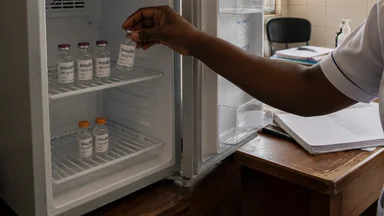
The six-week turnaround for Mary's GeneXpert result is at the upper end of the typical range. Kenya's Ministry of Health reported in 2022 that the mean turnaround time for sputum GeneXpert results in rural areas was between four and six weeks, with some samples taking up to eight weeks. The reasons are logistical: sample transport relies on irregular courier services, cartridges are periodically out of stock, and machines sometimes break down. The laboratory in Kisumu serves several counties, processing hundreds of samples each week. Results are sent back by paper report, which can be delayed or lost.
During the wait, Mary's condition deteriorated. She experienced two acute exacerbations that required oral prednisolone from a private pharmacy, because the health centre had run out. She missed 12 days of farm work, and her household income dropped. Her children were sent to stay with their grandmother for two weeks because Mary could not manage their care. The social cost of diagnostic delay is rarely counted in health economic analyses, but it is substantial.
When the negative TB result finally arrived, Mary had already lost faith in the system. She considered not returning to the health centre at all. But a community health worker, part of a pilot asthma programme in Kisumu County, visited her home and persuaded her to attend a special respiratory clinic. There, for the first time, a nurse performed spirometry. The test showed an FEV1/FVC ratio of 0.65, confirming airway obstruction. A reversibility test with salbutamol improved her FEV1 by 18 percent, solidifying the diagnosis of asthma.
The contrast between the GeneXpert wait and the spirometry result—which took 15 minutes—is stark. Mary's diagnosis could have been made on her first visit if a spirometer had been available. Instead, she spent six weeks in diagnostic limbo, exposed to the risks of untreated asthma and the side effects of unnecessary steroids. The pilot programme that finally helped her is small: only 10 health centres in Kisumu County have been equipped with handheld spirometers, and nurses have been trained to use them. But the results are promising. In the first year, the programme diagnosed 340 new asthma cases, most of whom had been previously treated for TB or pneumonia.
What Spirometry Would Have Shown
Spirometry is a simple, non-invasive test that measures how much air a person can exhale and how quickly. The key metric is the ratio of forced expiratory volume in one second (FEV1) to forced vital capacity (FVC). A ratio below 0.70 after bronchodilator use indicates persistent airflow obstruction, the hallmark of asthma. In primary care settings, portable spirometers are increasingly affordable and user-friendly, but they remain scarce in low- and middle-income countries.
A 2019 study in Kiambu County, Kenya, screened 1,200 adults with chronic cough using spirometry. It found that 75 percent of those with asthma were previously undiagnosed. The study used a handheld spirometer that cost roughly US$ 300 at the time. The researchers estimated that adding spirometry to the diagnostic workup for chronic cough in primary care would reduce the rate of misdiagnosis by half. Yet, as of 2025, spirometry is not included in Kenya's Essential Diagnostics List, and few rural health centres have the equipment or trained staff.
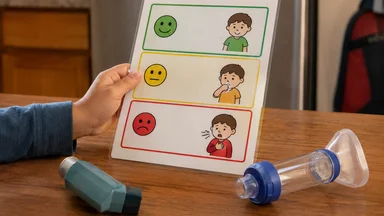
Mary's spirometry results were classic: an FEV1/FVC ratio of 0.65, with a 12 percent and 200 mL improvement after bronchodilator. Her peak expiratory flow, measured at the pilot clinic, was 250 L/min, compared to a predicted value of 380 L/min for her age and height. The nurse documented these numbers and used them to create a simple asthma action plan: green zone for daily controller medication, yellow zone for step-up treatment during exacerbations, and red zone for emergency care.
The absence of spirometry in Mary's earlier visits meant that her lung function was never objectively assessed. Clinical signs such as wheezing and chest tightness are suggestive but not specific; they can be caused by other conditions, including heart failure, vocal cord dysfunction, or even anxiety. Without spirometry, the diagnosis remains uncertain, and treatment is often suboptimal. Mary had been using salbutamol alone, which provides quick relief but does not address the underlying inflammation. Once she was prescribed an inhaled corticosteroid combined with a long-acting beta-agonist—a common regimen in the pilot programme, though not universally recommended—her exacerbation frequency dropped from three in six months to one in the following year.
Stigma and Self-Management in the Village
Even after Mary received a confirmed diagnosis, she faced another barrier: stigma. In her village, using an inhaler is often seen as a sign of 'weak lungs' or, worse, a visible marker of HIV. Mary initially hid her inhaler from neighbours and used it only in private. She worried that people would think she had tuberculosis, which carries its own stigma. The community health worker who visited her home explained that asthma is not contagious and that using an inhaler is like using glasses for poor vision—a tool, not a mark of shame.
Community health workers in Kenya are the backbone of primary care, but their training has historically focused on infectious diseases, especially HIV, TB, and malaria. Asthma and other non-communicable diseases receive little attention. A 2023 survey of community health workers in Siaya County found that fewer than 10 percent could correctly describe the signs of an asthma exacerbation or the proper use of a spacer device. Most had never seen an asthma action plan.
Mary's self-management improved after she attended two group education sessions at the pilot clinic. She learned to recognise early warning signs—a drop in peak flow, increased use of reliever inhaler—and to adjust her controller medication accordingly. She was given a written action plan with colour-coded zones, which she taped to the wall of her kitchen. But such tools are rare. The national health system does not routinely provide asthma action plans, and most patients are simply told to 'use the inhaler when you feel breathless'.
The stigma around inhaler use is slowly being addressed through local radio programmes. The Kisumu County health department runs a weekly show on community radio that features patients like Mary sharing their stories. The programme has received positive feedback, but it reaches only a fraction of the population. For every patient who hears the message, many more continue to believe that asthma is a curse or a sign of moral weakness.
A Pilot Programme That Offers a Way Forward
The Kisumu County asthma project, launched in 2023 with support from a non-governmental organisation, has equipped 10 health centres with handheld spirometers and trained nurses in their use. The results are encouraging: the average time from first visit to diagnosis has dropped from several months to under two weeks. Patients receive a diagnosis at the same clinic where they first seek care, eliminating the need for referral to a distant hospital. The cost of the programme is modest—roughly US$ 15 per patient per year for basic medications, including inhaled corticosteroids.
One of the key innovations is the use of task-shifting. Nurses, rather than doctors, perform spirometry and initiate treatment based on a simple algorithm. This is feasible because asthma management protocols are standardised and require minimal interpretation. The nurses undergo a two-day training programme, followed by monthly supervision visits. In the first year, no serious adverse events were reported, and patient satisfaction was high.
But the programme reaches only about 1 in 20 estimated asthma cases in the county. Scaling it up would require political will and sustained funding. The spirometers themselves are durable but need periodic calibration and replacement of disposable mouthpieces. The supply chain for inhaled medications is fragile; stock-outs of beclomethasone and budesonide occur regularly at the district level. Without reliable procurement, even a well-trained nurse cannot provide consistent care.
Mary is now enrolled in the programme and attends follow-up visits every three months. She no longer needs monthly visits because her asthma is well-controlled. She has returned to farming cassava and has not missed a day of work in six months. Her children's school attendance has improved. But she remains one of the lucky few. For every patient like Mary, there are dozens more in neighbouring villages who still wait weeks for a TB test that comes back negative, only to be sent home with a diagnosis of 'cough' and no plan for follow-up.
What a Diagnosis Means for a Patient Like Mary
For Mary, the diagnosis of asthma changed more than her breathing. It gave her a language to describe her condition and a sense of control. She now knows that her symptoms are not a personal failing but a chronic disease that can be managed. She uses her inhaler openly, and her neighbours have stopped whispering. The community health worker who first visited her has become a local advocate, teaching other patients about asthma at village gatherings.
The economic impact is equally significant. Before diagnosis, Mary spent roughly US$ 10 per month on salbutamol from private pharmacies, often buying single puffs at a time. Now she receives combination inhalers free of charge from the pilot programme. Her lost work days have decreased from an average of six per month to fewer than one. The cost savings to her household are substantial, though they are not captured in national health accounts.
But the programme's sustainability is uncertain. Funding from the non-governmental organisation is guaranteed for three years, after which the county government will need to absorb the costs. Kenya's devolved health system gives counties autonomy over their budgets, but Siaya County allocates less than 5 percent of its health budget to non-communicable diseases. Asthma competes with maternal health, child immunisation, and infectious disease control for limited resources.
Mary's story is a reminder that diagnostic technology is only as good as the system that delivers it. A GeneXpert machine can detect TB in two hours, but if the sample takes six weeks to reach the lab, the speed of the test is irrelevant. Similarly, a spirometer can diagnose asthma in 15 minutes, but if there is no one trained to use it and no medication to prescribe, the device sits on a shelf. The pilot programme in Kisumu County shows that a modest investment in training and equipment can transform care. But without a national commitment to chronic respiratory disease, the majority of patients like Mary will continue to wait—not for six weeks, but for years.
For readers interested in related topics, see our articles on TB diagnosis delays in Kenya and asthma care in Africa.
This article is for informational purposes only and does not constitute personalised medical advice. The treatment examples mentioned (e.g., inhaled corticosteroid combined with a long-acting beta-agonist) are specific to the Kisumu County pilot programme and are not universal recommendations. Readers should consult a qualified health professional for any health concerns.