Chiang Mai Night Bazaar Souring Fruit Sells to Tourists After Dark
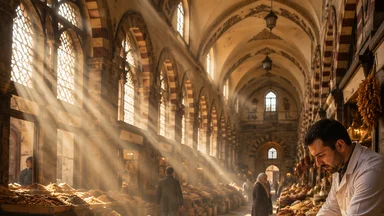
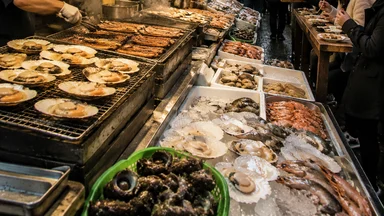
Chiang Mai's Night Bazaar, a sprawling network of stalls along Thapae Road and surrounding sois, hits the senses all at once: the hiss of oil on a hot griddle, the clatter of metal scoops against ice, and the sweet-sour aroma of tropical fruit mingling with charcoal smoke. But beneath the glitter, a careful observer notices something off: the fruit that looked perfect at 5 pm seems to have aged a day by 9 pm. Prices jump, vendors switch to overripe stock, and the hygiene cues that work in daylight fade under the glare of fluorescent tubes. This is a walkthrough for the traveller who wants to eat well without falling for the setup—a practical guide to navigating the Night Bazaar after dark, with specific pitfalls and the quiet corners where locals actually shop.
The Souring Bait: Why the Night Bazaar Feels Like a Setup
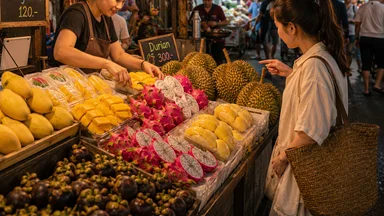
The first clue is the fruit itself. At 4 pm, the same vendor near the Thapae Road entrance sells durian at 40–60 baht per kilo, the flesh firm and fragrant. By 8 pm, that same durian is marked at 120 baht, and the surface has begun to weep—a sign of overripeness that locals avoid. Mangoes that were glossy at sunset turn dull, their skins wrinkling as the evening wears on. The trick is simple: leftover stock from the day's market is repriced for tourists who arrive after dark, assuming the night market is fresher than it is.
The aroma of fermenting mango is a dead giveaway. A sweet, almost wine-like smell wafts from stalls that have been sitting out since noon. Vendors count on the general noise and the distraction of sizzling meat to mask the fact that their fruit is past its prime. Some even spray water on cut pieces to make them look dewy, but the texture tells the story—mushy, with a darker hue near the core.
Tourist prices jump 2–3× by 9 pm. A small bag of sliced mango that costs 20 baht in the daytime sells for 50–60 baht after dark. The same vendor who sold fresh mangosteen at 30 baht per kilo at lunch will ask 80 baht after 8 pm, claiming it's a different variety. It is not. The markup is pure opportunism, and it works because most visitors have no baseline for comparison.
Seasoned travellers learn to scope the market in daylight first. A quick walk-through at 4 pm, before the dinner rush, reveals which stalls have high turnover. Those are the ones to return to—but only if you catch them before they switch to the evening pricing. The trick is to buy your fruit between 5:30 and 6:00 pm, when vendors are restocking but haven't yet raised the signs.
Hygiene Cues Locals Actually Use (Not the Color of the Apron)
Tourist guides often advise checking the colour of a vendor's apron or the presence of gloves. Locals ignore these signals entirely. Instead, they watch the ice block. A whole block of ice, clear and slowly melting in a metal tub, is a good sign. Crushed ice from a bag—especially if it's slushy and grey—means the vendor is using ice that may have been handled unsafely. A 2023 hygiene assessment conducted by the Chiang Mai Provincial Public Health Office (reported in the Chiang Mai News English edition) examined 120 food stalls across four night markets, including the Night Bazaar, and found that roughly 30% of stalls tested positive for coliform bacteria in ice or on cutting surfaces. The highest counts were at stalls using bagged crushed ice that had been sitting in warm coolers.
The cutting board is another tell. A vendor who wipes the same board with a damp rag between orders is not cleaning it—they're spreading residue. Locals look for stalls where the vendor switches to a fresh board for each new fruit, or at least rinses it under running water. A single board used for both durian and mango, with only a quick wipe, is a red flag.
Visible hand-washing basins are rare but reliable. A stall with a dedicated sink and soap dispenser—even a small one—indicates that the vendor takes hygiene seriously. Most stalls lack this, but a few near the eastern edge of the market have installed them after a 2022 health inspection crackdown. If you see a basin, that stall is worth your custom.
Finally, watch the local customers. Thai shoppers in the Night Bazaar are rare after 7 pm—most have moved to the quieter sois. But if you see a Thai family eating at a stall, especially one with children, that stall has passed the most rigorous test: local trust. The stall near Soi 2 that serves grilled fish with a side of raw vegetables, for example, consistently draws a Thai crowd. That's a better hygiene cue than any apron colour.
Payment Pitfalls: Cash Rules After Sunset
QR code payments have become common in Thailand, but at the Night Bazaar they come with risks. In 2024, the Bangkok Post reported an incident on Soi 2 off Thapae Road where fraudulent QR code stickers were pasted over legitimate ones at three fruit stalls, diverting payments to personal accounts. The scam is simple: a sticker with a slightly different design, placed at eye level. The victim scans, pays, and the vendor claims the transaction didn't go through. By the time the tourist checks their bank app, the money is gone.
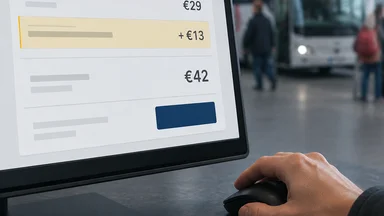
Vendors also frequently claim their card machine is broken, especially after 8 pm. The real reason is the 3% fee that banks charge on card transactions. For a 50-baht purchase, that fee eats into already thin margins. But the refusal is often a tactic to avoid the transaction altogether, leaving the tourist to find an ATM—which itself charges 220 baht per withdrawal. The best workaround is to carry 500 baht in coins and small notes, broken down into 20s and 10s. Most fruit purchases are under 100 baht, so small denominations make haggling easier and avoid the need for change.
Currency exchange is another trap. The booths inside the market offer rates roughly 5–8% worse than the SuperRich chain, which has a branch near the old city moat. But SuperRich closes at 6 pm sharp. If you arrive after that, you're stuck with the market's rates. Plan ahead: exchange enough cash before 6 pm to cover the evening's meals and fruit. A traveller who arrives at 7 pm with only large bills will either pay inflated prices or waste time searching for an ATM that dispenses 1,000-baht notes—too large for most fruit vendors to break.
One more detail: some vendors will round up the price if you hand them a 1,000-baht note, claiming they have no change. This is a bluff. Stand your ground, or walk away. The vendor will often find change from a hidden stash under the table. If they don't, you've avoided a transaction that would have cost you extra.
What to Eat (and What to Skip) at the Night Bazaar
The grilled satay from stall 14, near the center aisle, is consistently fresh. The vendor uses a charcoal grill that's been burning since noon, and the skewers turn over quickly. By 8 pm, the chicken is still juicy, and the peanut sauce is made fresh each batch—you can see the vendor grinding peanuts in a mortar. This is a safe bet.
Skip the pre-sliced fruit cups. They look convenient, but the fruit inside is often the overripe stock that didn't sell earlier. The pieces are cut to hide bruises, and the pineapple core is frequently included to add weight. Instead, order fruit cut to order. Point to a whole mango or a dragon fruit and ask the vendor to slice it in front of you. Most will oblige, and you'll get the freshest piece they have.
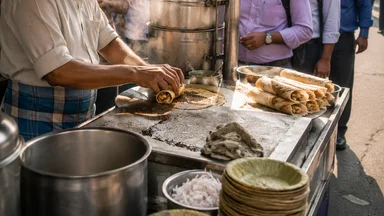
Khao soi, the northern Thai curry noodle soup, is a specialty in Chiang Mai. At the Night Bazaar, look for vendors who keep an MSG shaker on the counter. This sounds counterintuitive, but locals interpret it as a sign that the vendor is catering to Thai tastes—the MSG is used sparingly, but its presence indicates the broth isn't relying solely on salt. The best khao soi stall is near the rear exit, identifiable by the long queue of Thai office workers around 6:30 pm. The broth is coconut-heavy, with a hint of turmeric, and the noodles are fried fresh.
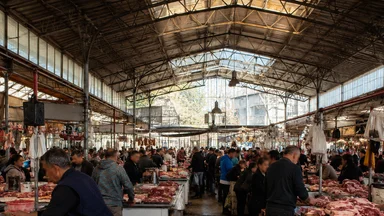
Avoid any meat displayed without an ice bed after 8 pm. In the tropical heat, raw chicken or pork left at ambient temperature for more than two hours enters the danger zone. Vendors who keep their meat on a bed of crushed ice, covered with a mesh screen, are following basic safety. Those who don't are gambling with your health. Stick to cooked items from stalls with high turnover—the sizzle of the grill should be constant, not intermittent.
Timing the Market: The 6 pm Sweet Spot
The Night Bazaar officially opens at 5 pm, but the real action starts around 5:30, when vendors restock from the afternoon deliveries. This is the sweet spot: the fruit is fresh, the prices are still at daytime levels, and the crowd hasn't thickened yet. By 6:15 pm, the light is perfect for photographs—the sun is low enough to cast warm tones on the stalls, but the neon signs haven't yet overpowered the scene. This is the window to buy your fruit and take your photos before the chaos.
Between 8 and 9 pm, the market is at its peak. The aisles are shoulder-to-shoulder, service slows to a crawl, and prices are at their highest. Vendors are less willing to bargain because they know a new tourist will be along in seconds. This is the time to avoid for any serious shopping. Instead, use this hour to people-watch or grab a drink at a nearby bar, then return after 10:30 pm.
After 10:30 pm, prices drop again. Vendors who still have unsold fruit would rather sell at cost than haul it home. A bag of rambutan that was 80 baht at 8 pm can be had for 40 baht at 11 pm. The catch is that selection is limited—what's left is the stock that other tourists passed over. But if you're willing to inspect each piece carefully, you can find good deals. The durian sellers are especially eager to offload, as durian loses value rapidly overnight.
The best photo light is at 6:15 pm, just before the neon glare takes over. After 7 pm, the market becomes a sea of harsh fluorescent and LED signs, which wash out colours and create unflattering shadows on food. If photography matters to you, plan your visit for the early evening and shoot with the sun behind you, facing the stalls from the east side.
The Bargaining Script That Works on Fruit Sellers
Bargaining at the Night Bazaar is expected, but it has a rhythm. Start at 50% of the asking price. If a vendor asks 100 baht for a bag of mangoes, offer 50 baht. They will laugh or shake their head, but this opens the negotiation. The typical settlement is around 70% of the original ask—so 70 baht in this example. Do not go below 60% unless the fruit is clearly overripe.
Use Thai numbers if you can. Saying sip ha (15 baht) instead of "fifteen" signals that you're not a first-timer. Vendors often quote a higher price to tourists who respond in English. A simple tao rai (how much?) followed by paeng maak (too expensive) can knock 10–20% off the initial quote. It's not about fluency—it's about showing effort.
Bundle three fruits for a single price. If you want mango, papaya, and dragon fruit, ask for all three together and offer a lump sum. Vendors prefer to move multiple items at once, and you'll get a better per-unit price. For example, three items that would cost 150 baht individually might be bundled for 100 baht. Point to each fruit, then hold up three fingers and name your price.
The walk-away is the most powerful tool. If the vendor doesn't meet your price, thank them and start walking. Nine times out of ten, they will call you back before you've taken three steps. If they don't, the price was genuinely their bottom line, and you've avoided overpaying. This works best after 10 pm, when vendors are eager to clear stock.
Escape Route: Where the Locals Eat After the Bazaar
When the Night Bazaar's crowds and prices become too much, head north to Soi 7. About 400 metres from the main market, this narrow lane hosts a small night market that opens around 10 pm and runs until 2 am. The hygiene is noticeably better—the stalls are fewer, but each has a dedicated prep area with running water. The fruit here is roughly 30% cheaper than the main bazaar and is harvested the same day, delivered by farmers who sell directly.
The Sukhothai noodle stall at the far end of Soi 7 has been operating for over 20 years, using the same charcoal grill. The owner, a woman in her sixties, speaks no English and has no menu. Point to the noodles you want—thin rice noodles or flat—and she will assemble a bowl with broth, pork, and a soft-boiled egg. The broth is clear and savoury, with a hint of star anise. It costs about 40 baht, and it's the best meal you'll eat after dark in Chiang Mai.
Cash only, no English menu, and no seating—you eat standing at a counter or on a plastic stool. This is the polar opposite of the tourist-friendly Night Bazaar, and that's precisely the point. The customers are mostly local workers finishing late shifts, and the turnover is fast. The fruit vendor next door sells whole pineapples for 20 baht, sliced to order, and the mangoes are still warm from the sun.
If you're looking for a sit-down option, the khao man gai (chicken rice) stall two doors down is equally good. The chicken is poached in a broth that's been simmering since morning, and the rice is cooked in chicken fat. A plate costs 35 baht. The vendor, a young man who inherited the business from his father, uses a pressure cooker for speed but doesn't cut corners on ingredients. This is where the Night Bazaar vendors themselves eat after their shifts end—the highest compliment possible.
For travellers who want to avoid the tourist markup entirely, this Soi 7 market is the escape route. It's not photogenic, and there's no neon. But the food is honest, the prices are fair, and the fruit tastes like it was picked that morning—because it was. After a few evenings at the Night Bazaar, this quiet lane becomes a refuge.
However, Soi 7 is not without its drawbacks. The market operates only from roughly 10 pm to 2 am, which means early birds or those who prefer dinner before 9 pm will miss it entirely. The lack of seating and English menus can be intimidating for solo travellers or those with limited Thai. The atmosphere is purely utilitarian—no music, no decorative lights, just the hum of conversation and the clatter of utensils. For travellers seeking a vibrant, photogenic experience, Soi 7 may feel stark. It is a trade-off: you gain authenticity and lower prices, but you lose the spectacle and convenience of the main bazaar. The choice depends on what you value more—a memorable scene or a memorable meal.