Romania’s Hora de la Prislop Festival Triples Guesthouse Prices by Late August
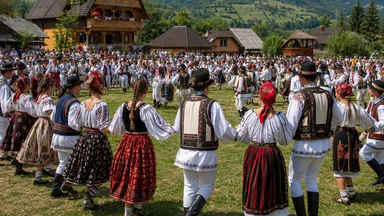
Every August, the village of Prislop in Romania’s Bucovina region swells from a sleepy hamlet of a few hundred people into a gathering of roughly 15,000 dancers, musicians, and spectators for the Hora de la Prislop festival. The event, held this year from 23 to 25 August 2026, is a vibrant celebration of Romanian folk traditions—but for the unprepared traveler, the costs can come as an unpleasant surprise. A double room that rents for €35 in June will fetch €105 during the festival. Local hosts demand cash-only deposits, and the nearest ATM runs dry by Saturday afternoon. Travel blogs often paint Prislop as an idyllic pastoral retreat, but they rarely mention the price surge, the gravel-road traffic jams, or the fact that the painted monasteries are far more peaceful in spring. This article lays out what the glossy guides leave out, and offers a pragmatic path for anyone determined to attend—or to skip it and see the real Bucovina.
The Late-August Price Spike Nobody Warns You About
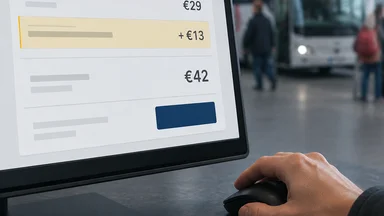
The most striking effect of the Hora de la Prislop festival is the sudden inflation of accommodation costs in the surrounding area. In Prislop village itself, guesthouses that charge roughly €35 for a double room in mid-July raise their rates to around €105 for the festival weekend. Some hosts require a non-refundable deposit of half the total, paid in cash via bank transfer weeks in advance. Online booking platforms show the spike, but the listings often hide the festival markup until the final checkout page.
The surge extends beyond Prislop. In Câmpulung Moldovenesc, a town about 20 km away, homestay prices climb from €25–30 to €60–80 per night. Even Vatra Dornei, a spa town an hour’s drive south, sees Airbnb rates jump from €40–50 to €80–120. The only segment that remains relatively stable is the hostel market in Gura Humorului, where dorm beds stay around €15–20—but those fill up by early July. Camping sites double their fees from €5 to €10 per tent, and some require reservations months in advance.
The price spike is not merely a matter of supply and demand; it reflects a local economy that has learned to maximise revenue from the annual influx. Many guesthouse owners close for renovations in early August and reopen just before the festival, ensuring their rooms are pristine and priced at a premium. Travelers who book late often find nothing available within a 30-km radius, or end up paying €150 for a room that normally costs €40. The lesson is clear: book before mid-February, or pay triple.
Why do travel blogs omit this? Perhaps because the festival is often covered by writers who stay in media-hosted accommodations or visit on press trips where costs are absorbed. The result is a rosy picture that leaves independent travelers scrambling. A quick search for “Prislop festival accommodation” yields glowing accounts of folk dancing and local wine, but rarely a mention of the €100-a-night guesthouses or the cash-only deposits. This gap between expectation and reality is the first thing a practical traveler should anticipate.
Why the Glossy Guides Get Prislop Wrong
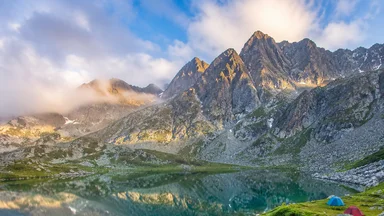
Conventional travel coverage of Bucovina sells a vision of pastoral calm: rolling green hills, painted monasteries, and shepherds playing flutes. The photographs that accompany these articles typically show empty meadows, a single dancer in traditional costume, or a sunlit monastery exterior. What they do not show is the 15,000-strong crowd that descends on Prislop during the festival, the long queues for portaloos, or the dust kicked up by cars parked in makeshift fields.
The Hora de la Prislop is not a quiet village fair. It is a major event that attracts performers from across Romania and neighbouring Moldova, with multiple stages, craft stalls, and food vendors running from morning until late evening. The atmosphere is electric, but it is also chaotic. The glossy guides that depict Bucovina as a tranquil escape from modern life are accurate for most of the year—but they mislead travelers who arrive during the festival expecting solitude.
Another omission is the condition of the access roads. The final 5 km to Prislop village are unpaved gravel, and during the festival, these roads become clogged with cars, minibuses, and the occasional horse-drawn cart. A journey that takes 15 minutes in June can stretch to an hour on the Saturday of the festival. Parking is a free-for-all; farmers charge €5 per car per day to park in their fields, and some vehicles get stuck in mud after a rain shower.
The painted monasteries—Voroneț, Sucevița, Moldovița—are often cited as the region’s main draw, but they are not at their best during the festival. Voroneț Monastery, famous for its vivid blue frescoes, sees visitor numbers spike during the last week of August, with queues forming by 9 a.m. The monasteries are far more enjoyable in late spring or early September, when the crowds thin and the light is softer. A better alternative would be to visit the monasteries a week before or after the festival, when the weather is still warm and the prices are normal.
Transport Surge: Buses vs. Rental Cars
Getting to Prislop requires careful planning. The nearest city with a major transport hub is Suceava, about 90 km away, but many travelers fly into Cluj-Napoca or Sibiu and drive. The direct bus from Sibiu to Prislop, operated by Autobuzul Prislop, runs four times daily in the off-season, but during festival week, the company adds three unscheduled minibuses that depart when full. Seats on the regular bus fill by mid-July, so booking via autogari.ro is essential.
Rental cars in Cluj-Napoca double their weekly rate during the festival. A compact car that rents for €200 per week in June will cost roughly €400 in the last week of August, assuming availability. Many rental agencies require a minimum booking of five days for the festival period. The drive from Cluj to Prislop takes about four hours on good roads, but the final gravel section can add another 30 minutes. Parking chaos is almost guaranteed; some travelers report spending 20 minutes just finding a spot.
An alternative is to take the train to Vatra Dornei or Câmpulung Moldovenesc, then rely on local minibuses or taxis. The train journey from Bucharest to Vatra Dornei takes about six hours and costs around €15–20. From Vatra Dornei, a taxi to Prislop costs roughly €25–30 and takes 40 minutes. This option avoids the rental car markup, but requires advance booking for the train, as seats sell out during the festival period.
For those determined to drive, arriving on Thursday rather than Friday can save hours of gridlock. Many locals advise leaving by midday on Friday to beat the rush. On Sunday evening, the exodus creates long queues on the gravel road, so staying until Monday morning is a calmer option. The transport surge is a logistical puzzle that rewards early planning and flexible timing.
Another practical tip for bus travelers: the Suceava-to-Prislop route is served by maxi-taxi minibuses that depart from the Suceava bus station roughly every two hours during the festival. These minibuses cost about €5 per person and take 90 minutes, but they only run until 6 p.m., so late arrivals may need to take a regular bus to Vatra Dornei and then a taxi. For a family of four, a taxi from Suceava to Prislop costs around €50–60 and is worth the convenience if you split the fare.
The Lodging Math: Book Six Months Ahead or Pay Triple
The arithmetic of festival lodging is stark. A double room in a guesthouse in Prislop village costs €35 in June, €105 during the festival, and returns to €35 in September. The same pattern holds in Câmpulung Moldovenesc, where homestays rise from €25 to €60. The markup is not limited to private rooms; even dorm beds in Gura Humorului see a modest increase from €12 to €18, though they remain the most affordable option.
Booking windows are tight. Guesthouses in Prislop village typically sell out by May. Homestays in Câmpulung Moldovenesc last until June, but the best-rated ones go quickly. Airbnb listings in Vatra Dornei start filling in April. The only segment that remains available into July is the higher-end hotels in Suceava, which charge €80–120 per night—comparable to festival prices but an hour’s drive away.
Camping is a budget-friendly alternative, but not without caveats. The official campsite near Prislop charges €10 per tent per night during the festival, up from €5. It has basic toilet facilities and cold showers. Unofficial camping in farmers’ fields costs €5–7 per tent, but offers no amenities. Campers should bring their own water and food, as the nearest shop is a 15-minute walk and often runs out of supplies by Saturday afternoon.
For travelers who prefer not to camp, the best strategy is to book a guesthouse in a less popular village like Moldovița or Ciocănești, where prices remain near normal. A double room in Moldovița costs around €30–35 year-round and is a 20-minute drive from Prislop. The trade-off is that you need a car or a reliable taxi contact. A local driver might charge €15–20 for a round trip, still cheaper than paying triple for a room in Prislop.
Another option is to stay in a monastery guesthouse. Some monasteries, like Voroneț or Moldovița, offer basic rooms to visitors for around €15–20 per person per night, but these fill up quickly. They are simple—shared bathrooms, no heating—but they are quiet and authentic. However, monastery guesthouses often have curfews (e.g., 10 p.m.), which may not suit festival-goers who want to stay out late.
What the Festival Actually Costs—Beyond the Ticket
The entry fee for Hora de la Prislop is modest: roughly €15–20 per day, or about €40 for a three-day pass. But the on-site expenses add up quickly. A cup of local craft beer that costs €1.50 in a Suceava bar is sold for €3 at the festival. A plate of mici (grilled minced meat rolls) with mămăligă (polenta) costs €6, compared to €3–4 in a normal restaurant. Even a bottle of water is marked up to €1.50 from €0.80.
Handwoven blankets and traditional blouses are sold at stalls for roughly three times their normal price. A woolen blanket that might cost €20 in a village market is priced at €60–70 at the festival. The vendors know that visitors are in a buying mood and that comparison shopping is difficult. Bargaining is expected, but the starting prices are already inflated, so a successful haggle might bring the price down to €50—still well above the off-season rate.
Parking is another hidden cost. Farmers charge €5 per car per day to park in their fields, and some require cash upfront. Motorcycles are €3. The parking fee is not included in any ticket, so a family with a car will pay €15 just to park over the three days. For those staying in Prislop, walking is possible, but the gravel roads and evening chill make a car convenient.
All told, a solo traveler attending the festival for two days, staying in a guesthouse, eating on-site, and buying one souvenir can expect to spend roughly €250–300, not counting transport to the region. A couple sharing a room and car might spend €400–500. These figures are about double what a similar weekend in Bucovina would cost in June. The festival is a splurge, and it pays to go in with eyes open.
For a more detailed breakdown: a family of four attending the full three days, staying in a guesthouse in Câmpulung Moldovenesc, eating all meals on-site, and buying two souvenirs could easily spend €700–800. That includes €180 for lodging (€60 per night), €120 for entry fees, €150 for food and drink, €30 for parking, and €100 for souvenirs, plus transport. Compare that to a non-festival weekend in September: lodging €75, meals €90, no entry fees, no parking fees, souvenirs at market prices €40—total around €205. The festival premium is clear.
The Alternative Plan: Skip the Festival, See the Real Bucovina
For travelers who value tranquility over crowds, skipping the Hora de la Prislop festival is not a loss—it is an opportunity. The same region that hosts the festival in late August is at its best in early September, when the weather is still warm, the summer crowds have dispersed, and the painted monasteries are nearly empty. Voroneț Monastery, with its iconic blue frescoes, can be enjoyed without queuing. The nearby Rarău Massif offers hiking trails through beech forests that are quiet and cool.
A guesthouse in Moldovița, 15 km from Prislop, charges €30–35 for a double room in September. The same room costs €80–100 during the festival. Local cheese from a farmstead in Ciocănești is sold for €3 per wheel, compared to €8 at the festival market. A meal at a family-run restaurant in Câmpulung Moldovenesc costs €8–10 for a hearty stew, while festival food stalls charge €6 for a single plate of mici.
The painted monasteries themselves are more photogenic in early September, when the angle of the sun highlights the frescoes’ colours. The crowds are thinner, so you can take your time inside. The monasteries’ caretakers are also more relaxed and willing to chat about the history. In contrast, during the festival, the monastery grounds are often used as overflow parking, and the sacred atmosphere is diminished.
This alternative plan does not require sacrificing cultural experience. Bucovina’s folk traditions are visible year-round at smaller Sunday markets in villages like Vama or Mănăstirea Humorului. The dances and costumes are the same, but the setting is intimate and the prices are normal. For the cost of a festival weekend, a traveler can spend a week in Bucovina in September, eating well, hiking, and visiting monasteries at a leisurely pace.
One specific itinerary: arrive in Suceava on a Monday by train, rent a car for three days (€100 total), and visit Voroneț, Moldovița, and Sucevița monasteries on Tuesday. Stay in a guesthouse in Moldovița (€35 per night). On Wednesday, hike the Rarău Massif trail (free), then drive to Ciocănești for farm-fresh cheese (€3 per wheel). On Thursday, visit the Humor Monastery and the village market in Vama. Return the car on Friday. Total cost for one person: about €150, including transport, lodging, meals, and souvenirs. Compare that to the festival weekend’s €250–300 for a less rewarding experience.
Pragmatic Steps for Anyone Still Going
If the festival is on your bucket list and you are committed to attending, the key is to prepare early and expect the unexpected. Book lodging before mid-February 2026. Guesthouses in Prislop village will be taken by March, so consider Câmpulung Moldovenesc or Vatra Dornei as fallbacks. Reserve a bus seat via autogari.ro by July, or book a rental car in Cluj-Napoca at least two months in advance to lock in a rate.
Carry enough cash for the entire weekend. The single ATM in Prislop is often emptied by Saturday afternoon, and card payments are rare at guesthouses and food stalls. A withdrawal of €200–300 should cover accommodation deposits, parking, meals, and souvenirs. Bring a rain jacket and sturdy hiking boots, as the weather can shift from sunny to rainy in an hour, and the gravel roads become muddy.
Arrive on Thursday if possible. The festival officially starts on Friday, but many locals set up stalls on Thursday, and the roads are still clear. Leaving on Monday morning avoids the Sunday evening exodus. For those driving, a paper map is useful—mobile reception is spotty in the hills, and GPS can be unreliable on the gravel roads.
Finally, manage expectations. The festival is a genuine celebration of Romanian culture, but it is also a commercial event. The prices are high, the crowds are large, and the infrastructure is stretched. Go for the music and the dancing, not for solitude. If you plan accordingly, the Hora de la Prislop can still be a memorable experience—just not the pastoral idyll that the travel blogs promise.
One more practical tip: bring a reusable water bottle. There are a few public taps near the main stage where you can refill for free. This can save you €1.50 per bottle over the weekend. Also, pack snacks from home—energy bars or nuts—to avoid the inflated food prices. And if you plan to buy a traditional blouse, visit a village market before the festival; you’ll pay half the price for the same quality.